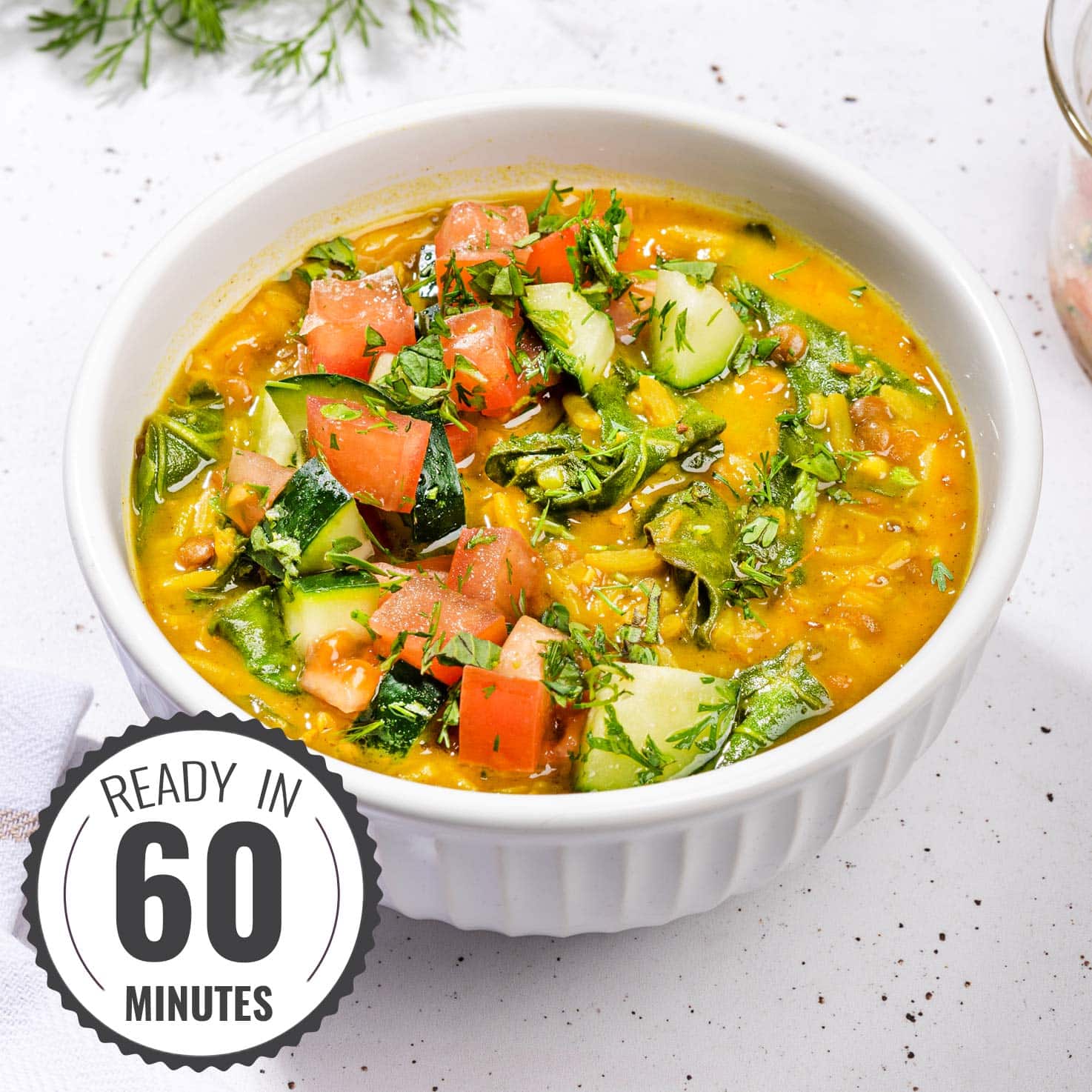
Elevating Your Meal: The Art of Dal Khichdi with Kachumber Salad
There's something uniquely comforting about a bowl of dal khichdi with kachumber salad. It’s a dish that transcends mere sustenance, offering warmth, nourishment, and a sense of home. While many have mastered the basics – perhaps even discovering foundational recipes in resources like dal khichdi with kachumber salad - Article 2 – the journey to culinary perfection involves delving deeper into nuances, advanced techniques, and personalized touches. This article aims to guide you beyond the conventional, exploring sophisticated methods and creative variations that will transform your simple dal khichdi and kachumber salad into an unforgettable gastronomic experience.
We'll uncover the secrets to an exceptionally flavorful dal khichdi, from selecting the right ingredients to mastering the tempering process, and then complement it with a vibrant kachumber salad that's as refreshing as it is delicious. Prepare to refine your skills and impress your palate with a dish that truly embodies balanced nutrition and exquisite taste.
Beyond the Basics: Advanced Tips for Perfect Dal Khichdi
Achieving a truly outstanding dal khichdi goes beyond just combining lentils and rice. It's about precision, understanding your ingredients, and mastering the art of flavor layering. Here are some advanced tips to elevate your dal khichdi:
1. The Right Dal and Rice Combination
- Moong Dal (Split Yellow Lentils): Often the star, it's light and easy to digest. For a richer texture, consider combining it with a small amount of Toor Dal (Split Pigeon Peas) or Masoor Dal (Red Lentils).
- Rice Variety: While short-grain rice like sona masoori or ambemohar works beautifully for a creamy texture, basmati rice can offer a more defined grain if you prefer. Experiment with aged rice for a deeper aroma.
- Soaking: Always soak both dal and rice separately for at least 30 minutes to an hour. This not only reduces cooking time but also helps in achieving a more even, tender consistency.
2. Mastering the Tempering (Tadka)
The tadka is the soul of dal khichdi. Don't rush it! Use good quality ghee (clarified butter) for unparalleled flavor. Here's a detailed approach:
- First Layer (Aromatics): Heat ghee. Add whole spices like cumin seeds, mustard seeds (if desired), a pinch of asafoetida (hing), and curry leaves. Let them splutter and release their aroma.
- Second Layer (Pungent Flavors): Add finely chopped ginger, garlic, and green chilies. Sauté until fragrant but not browned, ensuring the raw smell dissipates.
- Third Layer (Body and Color): Introduce finely chopped onions and sauté until translucent or light golden. Then add finely diced tomatoes and cook until they break down and the oil separates, indicating proper cooking.
- Spice Powders: At this stage, add your ground spices – turmeric powder (for color and health benefits), red chili powder (for heat), coriander powder (for body), and a dash of garam masala. Cook for a minute on low heat to bloom the spices, being careful not to burn them.
3. Achieving Perfect Consistency
The ideal consistency of dal khichdi is a matter of personal preference. For a creamy, porridge-like texture, use more water and cook longer. For a more distinct grain, reduce water and cook until just tender. A good starting ratio is 1:3 (one part dal+rice to three parts water), adjusting based on your desired outcome and the type of rice/dal. Always use hot water to maintain cooking temperature when adding more liquid.
4. Flavor Boosters and Finishing Touches
- Kasuri Methi (Dried Fenugreek Leaves): Crush a teaspoon between your palms and add towards the end of cooking or in the tadka for a wonderfully aromatic touch.
- Fresh Herbs: A generous sprinkle of freshly chopped coriander leaves before serving brightens the flavor and adds a pop of color.
- Lime/Lemon Juice: A squeeze of fresh lime or lemon juice at the very end can lift all the flavors, adding a zesty brightness.
- Smoky Flavor (Dhungaar): For an advanced technique, place a small, heated piece of charcoal in a small steel bowl, place it in the khichdi, pour a teaspoon of ghee over it, and cover immediately for a few minutes. This infuses a delightful smoky aroma.
Crafting the Ideal Kachumber Salad: Freshness and Flavor Combinations
A brilliant kachumber salad is not just a side dish; it's an essential counterpart to the rich dal khichdi, offering a refreshing contrast and a burst of vital nutrients. The key lies in fresh ingredients, precise cutting, and a balanced dressing.
1. Ingredient Selection and Preparation
- Crisp Vegetables: Opt for firm, fresh cucumbers, ripe but firm tomatoes, pungent onions, and vibrant carrots or radishes. Organic, seasonal produce will always yield the best flavor.
- Uniform Chopping: The aesthetic and textural appeal of kachumber comes from uniformly diced vegetables. Aim for small, bite-sized pieces (¼ to ½ inch dice). This ensures every spoonful offers a balanced mix of flavors and textures.
- Onion Treatment: If raw onion flavor is too strong, soak chopped onions in cold water for 10-15 minutes, then drain thoroughly. This mellows their pungency without removing their crispness.
2. The Perfect Dressing
The dressing for kachumber salad is simple yet crucial. It should be light, tangy, and invigorating.
- Tang: Freshly squeezed lemon or lime juice is indispensable. Adjust to your preference.
- Spice & Seasoning: Chaat masala adds a quintessential Indian zing. Complement it with a pinch of black salt (kala namak) for its distinct sulfuric flavor, and regular salt to taste. A tiny pinch of sugar can balance the tang.
- Herbs: Generous amounts of finely chopped fresh coriander leaves are standard. For a refreshing twist, try adding a few sprigs of finely chopped mint leaves.
- Actionable Tip: Always dress the kachumber salad just before serving to prevent the vegetables from becoming soggy and releasing too much water.
3. Creative Kachumber Variations
- Fruity Addition: Add a handful of sweet and tart pomegranate seeds for an extra layer of texture and sweetness.
- Crunch Factor: Roasted and lightly crushed peanuts can provide a delightful crunch.
- Extra Veggies: Finely chopped bell peppers (red, yellow, or green) or even a few grated beets can add color and nutrition.
- Spice It Up: For those who love heat, finely minced green chilies can be added directly to the salad.
Pairing and Presentation: The Complete Dal Khichdi and Kachumber Experience
Presenting dal khichdi with kachumber salad is about creating a harmonious and aesthetically pleasing meal. This dish isn't just about taste; it's about the entire experience.
1. Thoughtful Side Dishes
While dal khichdi and kachumber form a complete meal, certain accompaniments elevate the experience:
- A Dollop of Ghee: Always serve dal khichdi with an extra spoonful of warm ghee drizzled over the top. It enhances flavor and aids digestion.
- Plain Yogurt or Raita: A small bowl of plain dahi (yogurt) or a simple cucumber raita offers a cooling contrast to the warm khichdi.
- Pickle and Papad: A wedge of your favorite Indian pickle (achar) and a crispy roasted or fried papad add texture, crunch, and a burst of tangy flavor.
- Roasted Green Chilies: For spice lovers, a couple of pan-roasted green chilies can be a fiery addition.
2. Presentation Matters
Even humble comfort food can look appealing. Serve the dal khichdi in a warm, inviting bowl. Place the vibrant kachumber salad in a separate, smaller bowl next to it. Garnish both with fresh coriander. The contrasting colors of the golden khichdi and the colorful salad are a feast for the eyes.
3. Nutritional Synergy and Health Benefits
The combination of dal khichdi with kachumber salad is a nutritional powerhouse:
- Complete Protein: The combination of dal (lentils) and rice provides all essential amino acids, making it a complete protein source, crucial for muscle repair and growth.
- Rich in Fiber: Both dal and the fresh vegetables in kachumber are excellent sources of dietary fiber, aiding digestion, promoting gut health, and helping to regulate blood sugar levels.
- Vitamins and Minerals: Kachumber salad is packed with vitamins (A, C, K) and minerals from its fresh produce, while dal contributes iron, folate, and magnesium.
- Digestive Aid: Dal khichdi is famously easy to digest, often recommended during illness or for detox. The fresh salad further supports digestive health with its enzymes and fiber.
This holistic meal is perfect for a light yet satisfying dinner, a comforting lunch, or even a wholesome breakfast, catering to all ages and dietary needs.
Creative Variations and Personal Touches
Once you've mastered the classic dal khichdi with kachumber salad, feel free to unleash your culinary creativity. The beauty of this dish lies in its adaptability.
1. Khichdi Reinventions
- Vegetable-Loaded Khichdi: Enhance the nutritional value and flavor by adding finely diced seasonal vegetables such as peas, carrots, spinach, cauliflower florets, or even bottle gourd (lauki) to the khichdi while it cooks. Sauté them briefly with the tadka before adding the dal and rice.
- South Indian Inspiration: Infuse a South Indian touch by adding a touch of grated coconut and a few more curry leaves to the tadka.
- Spicy or Mild: Adjust the amount of green chilies and red chili powder in the tadka to suit your heat preference. For a milder version, omit green chilies and use Kashmiri red chili powder for color without much heat.
- Tangy Twist: A small amount of tamarind pulp or amchur (dried mango powder) can be added to the khichdi for a tangy kick, especially if you love a different kind of tang than tomatoes provide.
2. Kachumber with a Twist
- Herbal Infusion: Experiment with other fresh herbs. Finely chopped dill can add a unique freshness, or a touch of parsley for a more Mediterranean note.
- Global Flavors: While keeping the spirit of kachumber, you could lightly drizzle a very mild olive oil or a dash of apple cider vinegar along with the lemon juice for a fusion dressing.
- Texture Boosters: Add a sprinkle of roasted sesame seeds or even some finely chopped walnuts for different textures and nutrients.
3. Regional Inspirations
Explore regional variations of khichdi to expand your repertoire:
- Gujarati Khichdi: Often includes jaggery for a hint of sweetness and sometimes peanuts.
- Bengali Bhog'er Khichuri: A richer, spicier version often made with roasted moong dal and vegetables, typically served during festivals.
- Palak Khichdi: Blended spinach puree added to the khichdi base, making it incredibly nutritious and vibrant green.
Each variation offers a new dimension to this comforting staple, proving its versatility and universal appeal.
Conclusion
The journey with dal khichdi with kachumber salad is a testament to the fact that simplicity, when perfected, can lead to extraordinary culinary experiences. By paying attention to advanced cooking techniques for the dal khichdi and mastering the fresh, vibrant flavors of the kachumber salad, you elevate a humble meal into a gastronomic delight. This combination offers not just incredible taste and comfort but also a wealth of nutritional benefits, making it a truly wholesome choice for any day of the week. We encourage you to experiment with the advanced tips and creative variations shared, allowing your kitchen to become a canvas for personal expression. Embrace the journey of making this classic Indian duo truly your own, savoring every spoonful of its comforting embrace.
