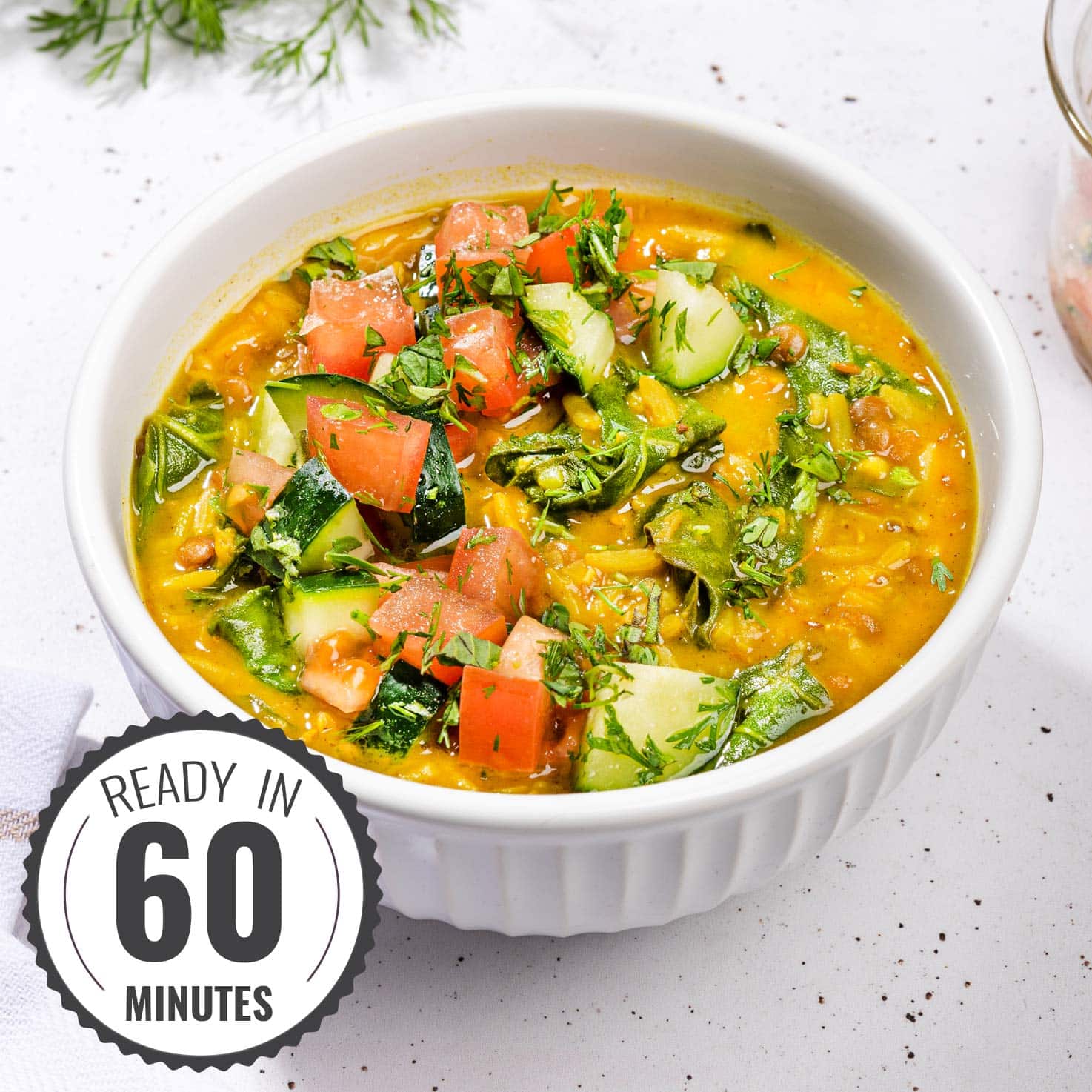
The Wholesome Harmony of Dal Khichdi with Kachumber Salad
In the vast and varied tapestry of Indian cuisine, certain dishes stand out not just for their taste, but for the sheer comfort and nourishment they offer. Among these, dal khichdi with kachumber salad holds a revered place. This classic pairing is more than just a meal; it's an experience of balance – a warm, hearty, and wholesome staple perfectly complemented by a crisp, tangy, and refreshing salad. It embodies the essence of home-cooked goodness, cherished across generations for its simplicity, digestibility, and profound satisfaction.
Dal khichdi, a blend of rice and lentils cooked together, is the epitome of comfort food. It’s often the first solid food given to babies, a healing meal for the sick, and a quick, nutritious option for busy days. Its beauty lies in its versatility, adapting to different regional tastes and dietary needs. When paired with kachumber salad – a vibrant mix of finely diced fresh vegetables seasoned with lemon and spices – the meal transcends mere sustenance, becoming a celebration of flavors, textures, and temperatures that dance on the palate.
The Comforting Embrace of Dal Khichdi and Kachumber Salad
At its core, dal khichdi is an incredibly humble dish. It typically involves cooking rice (often Basmati or a local short-grain variety) and various types of lentils (like moong dal, masoor dal, or a mix) with water, salt, and turmeric. What elevates it from simple gruel to a beloved dish is the tempering, or tadka. This involves spluttering aromatic spices like cumin seeds, mustard seeds, asafoetida (hing), ginger, garlic, and sometimes onions and tomatoes in ghee or oil, then pouring it over the cooked khichdi. The tempering infuses the dish with layers of flavor, turning a plain base into a fragrant, savory delight.
The cultural significance of dal khichdi runs deep. It’s often considered a sattvic (pure, wholesome) food, suitable for fasts and spiritual offerings. Its gentle nature makes it ideal for detox days or when one’s stomach needs a break. Yet, it’s equally at home as a hearty weekday dinner, especially when enhanced with vegetables or a more robust tempering. The warmth of the khichdi, often served piping hot with a dollop of ghee, provides a soothing sensation that no other dish quite matches.
Enter the kachumber salad, the perfect counterpoint. While the khichdi is warm, soft, and rich, the kachumber is cold, crunchy, and zesty. Made from readily available ingredients like cucumber, tomato, and onion, it’s dressed simply with lemon juice, salt, and often a sprinkle of roasted cumin powder. This combination isn't just arbitrary; it's a mindful pairing designed to balance the meal. The fresh acidity of the salad cuts through the richness of the khichdi, cleansing the palate and adding a vitalizing crunch. It’s this thoughtful interplay that makes dal khichdi with kachumber salad such an iconic and enduring duo.
Unpacking the Health Benefits: Why This Duo is a Nutritional Powerhouse
Beyond its comforting taste, dal khichdi with kachumber salad is a nutritional powerhouse. Each component brings its own set of health benefits, and together, they create a remarkably balanced meal.
Dal Khichdi:
- Complete Protein Source: Lentils are an excellent source of plant-based protein, and when combined with rice, they form a complete protein, providing all essential amino acids crucial for muscle repair, growth, and overall bodily functions. This is particularly valuable for vegetarians and vegans.
- Rich in Fiber: Both lentils and rice contribute significant dietary fiber, aiding digestion, promoting bowel regularity, and helping to maintain a healthy gut microbiome. Fiber also helps in regulating blood sugar levels and promoting satiety.
- Easily Digestible: The simple preparation and often soft consistency of khichdi make it incredibly easy on the digestive system, which is why it's a go-to meal during illness or for those with sensitive stomachs.
- Packed with Micronutrients: Depending on the type of dal used, khichdi provides essential vitamins and minerals such as folate, iron, potassium, and magnesium. The spices used in the tempering (like turmeric, cumin, and ginger) also bring anti-inflammatory and antioxidant properties.
Kachumber Salad:
- Vitamin C Boost: Tomatoes and lemon juice are excellent sources of Vitamin C, an essential antioxidant that supports immune function, skin health, and collagen production.
- Hydration: Cucumbers and tomatoes have high water content, contributing to overall hydration and helping to keep you feeling fresh.
- Dietary Fiber: Raw vegetables in kachumber add a significant amount of fiber, further aiding digestion and promoting a feeling of fullness.
- Antioxidants and Phytochemicals: The fresh vegetables are rich in various antioxidants and phytochemicals that help combat oxidative stress and protect cells from damage.
- Low Calorie and Nutrient-Dense: Kachumber is a low-calorie addition that enhances the meal's nutrient profile without adding unnecessary fats or sugars.
Together, this combination offers a balanced meal with complex carbohydrates for sustained energy, protein for muscle health, healthy fats from ghee (if used), and a rich array of vitamins, minerals, and fiber. It's a testament to how simple, traditional meals can be incredibly beneficial for overall well-being.
Crafting Your Perfect Dal Khichdi: Tips for Success
While dal khichdi is forgiving, a few tips can elevate your dish from good to extraordinary. The beauty lies in choosing your ingredients and mastering the tempering.
Ingredients:
- Dal Choice: Moong dal (split yellow lentils) is the most common for khichdi due to its quick cooking time and easy digestibility. However, you can use toor dal, masoor dal, or even a mix of several dals for a more complex flavor profile.
- Rice Variety: Short-grain rice varieties like Sona Masoori or Gobindobhog work wonderfully, providing a creamy texture. Basmati rice can also be used for a more fragrant result.
- Aromatics: Fresh ginger, garlic, and green chilies are non-negotiable for flavor depth. Onions and tomatoes are optional but add body and tang.
- Spices: Turmeric powder for color and health benefits, cumin seeds, asafoetida (hing), and sometimes a pinch of garam masala.
- Fat: Ghee (clarified butter) is highly recommended for the tempering, imparting a rich, nutty flavor that is characteristic of authentic khichdi.
Cooking Process & Tips:
- Wash and Soak: Always wash rice and dal thoroughly until the water runs clear. Soaking the dal (especially harder varieties) for 20-30 minutes can reduce cooking time and improve digestibility.
- Ratio is Key: A common rice-to-dal ratio is 1:1, but you can adjust it to 2:1 (more rice) or 1:2 (more dal) based on preference.
- Water Content: The consistency of khichdi is a personal preference. For a runny, soupy khichdi, use more water (e.g., 1 cup rice+dal to 4-5 cups water). For a firmer, grainier khichdi, use less (e.g., 1 cup rice+dal to 3 cups water).
- The Tadka (Tempering): This is where the magic happens. Heat ghee in a pan, add cumin seeds until they splutter, then add hing, chopped ginger, garlic, and green chilies. Sauté until fragrant. Add onions (if using) and cook until translucent, then add tomatoes (if using) and cook until soft. Finally, stir in turmeric and other powdered spices before adding to the cooked khichdi. Some prefer to cook the tadka first, then add the washed rice and dal, sauté, and then add water to cook. Both methods yield delicious results.
- Pressure Cooker vs. Pot: A pressure cooker significantly speeds up cooking time (typically 3-4 whistles after the first one). A regular pot requires more time and attention but allows for greater control over texture.
- Garnish: Fresh coriander leaves always add a touch of freshness and color. A final dollop of ghee over the hot khichdi is highly recommended for flavor and richness.
For a truly authentic taste, always finish your khichdi with a fresh tempering of ghee, cumin seeds, and a pinch of asafoetida. If you're looking for even more detailed preparation techniques and advanced tips, be sure to check out dal khichdi with kachumber salad - Article 2.
The Art of the Refreshing Kachumber Salad
Making a great kachumber salad is all about freshness, precision, and balanced seasoning. It's a simple dish, but its impact on the meal is profound.
Ingredients:
- Staples: Fresh, crisp cucumbers, ripe tomatoes, and red onions are the foundation.
- Optional Additions: Finely diced carrots, bell peppers, radishes, or even pomegranate seeds can add color, texture, and additional nutrients.
- Herbs: Fresh coriander leaves are essential, and a few mint leaves can add another layer of freshness.
- Dressing: Freshly squeezed lemon juice, salt, black pepper, and roasted cumin powder are typically all you need. A tiny pinch of sugar can balance the tang, and a dash of chaat masala can add a street-food flair.
Preparation & Tips:
- Uniform Dicing: The key to an elegant kachumber is to dice all vegetables into small, uniform pieces. This ensures every bite has a good mix of flavors and textures.
- Drain Excess Water: Cucumbers and tomatoes can release a lot of water. If you're making the salad slightly in advance, you can lightly salt the diced vegetables and let them sit for 5-10 minutes, then gently squeeze out any excess liquid before dressing. This prevents the salad from becoming watery.
- Season Just Before Serving: To maintain the crispness of the vegetables and prevent them from becoming soggy, mix in the dressing (lemon juice, salt, spices) just before serving.
- Taste and Adjust: Always taste and adjust the seasoning. The balance of tang (lemon), salt, and subtle spice is crucial.
For a truly vibrant kachumber, choose firm, ripe vegetables and dice them uniformly for the best texture in every bite. To explore exciting variations and unique dressing ideas for your kachumber salad, delve into dal khichdi with kachumber salad - Article 3.
Serving Suggestions and Variations for Your Dal Khichdi and Kachumber Meal
While dal khichdi with kachumber salad is a complete meal in itself, there are many ways to enhance and vary your experience.
Classic Accompaniments:
- Papad: Roasted or fried papad (thin, crisp lentil wafers) add a delightful crunch and savory contrast.
- Pickle (Achaar): A tangy, spicy Indian pickle can awaken the taste buds and provide a burst of flavor.
- Plain Yogurt or Raita: A bowl of plain yogurt or a simple raita (yogurt mixed with grated cucumber or boondi) offers a cooling counterpoint.
- Extra Ghee: A generous dollop of hot ghee swirled into your khichdi just before eating is non-negotiable for many, adding richness and aroma.
- Chutney: A fresh mint or coriander chutney can bring another layer of herbaceous flavor.
Dal Khichdi Variations:
- Vegetable Khichdi: Add finely chopped vegetables like carrots, peas, beans, or potatoes along with the dal and rice for an even more nutrient-dense meal.
- Masala Khichdi: Increase the amount of spices in your tempering, add ginger-garlic paste, and perhaps a pinch of red chili powder for a spicier, more robust flavor.
- Palak Khichdi: Incorporate blanched and puréed spinach into the khichdi for an earthy flavor and an extra boost of iron and vitamins.
- Sada Khichdi: For utmost simplicity, prepare with just dal, rice, salt, and turmeric, finishing with a basic cumin-ghee tadka. This is often preferred when recovering from illness.
Kachumber Salad Variations:
- Fruity Kachumber: Add diced apples, grapes, or even segments of orange for a sweet and tangy twist.
- Spicy Kachumber: Increase the amount of green chilies or add a dash of red chili powder for more heat.
- Yogurt-Based Kachumber: Mix the diced vegetables with a spoonful of plain yogurt instead of just lemon juice for a creamier texture, similar to a light raita.
- Herb-Rich Kachumber: Experiment with different fresh herbs like parsley or dill along with coriander and mint.
Experiment with different spices in your tempering for the dal khichdi, like dried red chilies or curry leaves, to discover new flavor dimensions.
Conclusion
The timeless appeal of dal khichdi with kachumber salad lies in its unparalleled ability to offer comfort, nutrition, and a delightful culinary experience all at once. It’s a dish that speaks of tradition, health, and the simple joys of home cooking. Whether you're seeking a light and easily digestible meal, a protein-packed vegetarian option, or simply a taste of authentic Indian comfort, this classic duo delivers every time. Embrace the warmth of the khichdi and the refreshing zest of the kachumber, and discover why this perfect pairing has remained a beloved staple in Indian kitchens for centuries. Try preparing it yourself, tailor it to your taste, and savor the wholesome harmony.
